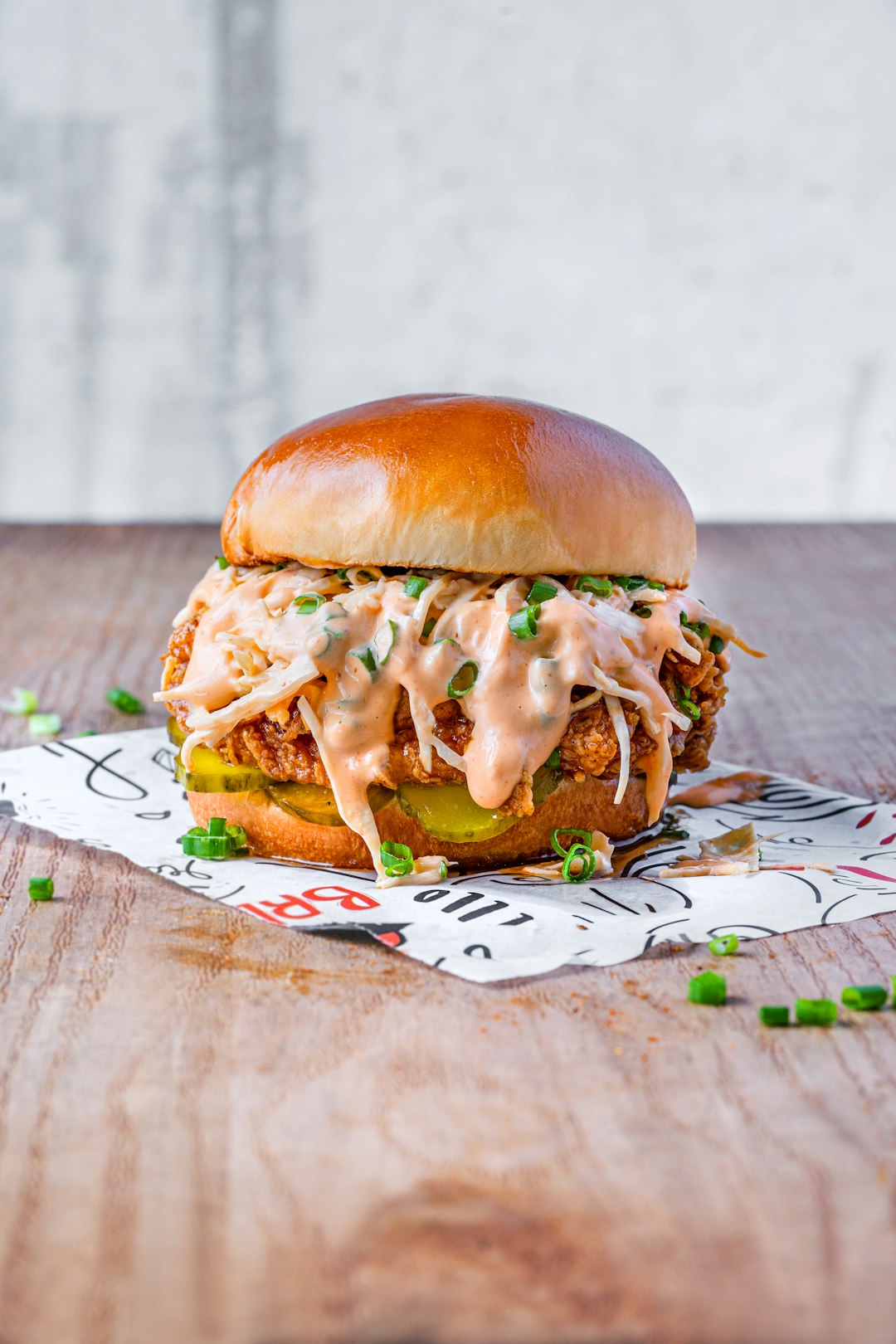
Ever wonder what happens behind the kitchen doors at Chicken Road? As Operations Manager, I oversee the daily rhythm of our restaurant, and I'm excited to give you an insider's perspective on how we create the meals you love. From early morning prep to closing procedures, every moment in our kitchen is carefully orchestrated to deliver consistent quality and exceptional taste.
Early Morning Preparations
Our day begins long before we open our doors to customers. The prep team arrives at 7:00 AM to start the foundation work that makes lunch and dinner service possible. Fresh chicken deliveries arrive first thing in the morning, and our team immediately inspects each delivery for quality, ensuring every piece meets our exacting standards.
The morning shift starts with preparing marinades for our signature dishes. Large batches of our special buttermilk marinade are mixed, and fresh chicken pieces are submerged to begin their overnight flavor infusion for the following day. This advance preparation is crucial – it's why our chicken has that distinctive depth of flavor that customers recognize and love.
While the marinades are being prepared, another team member focuses on vegetables. Fresh produce is washed, chopped, and portioned for easy access during service. Onions are diced, lettuce is shredded for our burgers and wraps, tomatoes are sliced, and various garnishes are prepared. This mise en place – having everything in its place – is essential for smooth service when orders start coming in rapidly.
Quality Control Checkpoints
Throughout the morning, multiple quality control checkpoints ensure everything meets our standards. Chef Maria personally inspects the marinated chicken, checking color, texture, and aroma. She tastes sauce preparations and adjusts seasonings as needed. Temperature logs are maintained meticulously – every refrigerator and freezer is checked and recorded to ensure food safety.
Our breading station is set up with fresh flour mixtures, properly seasoned and ready for the day's service. The coating ingredients are mixed in precise ratios that have been perfected over years. We prepare enough for estimated demand but always have backup supplies ready because running out during a dinner rush is simply not an option.
The Lunch Rush
When we open at 11:00 AM, the kitchen transforms. What was a methodical prep environment becomes a precisely choreographed performance. Orders come through our system, printing at various stations – fry station, grill station, sandwich assembly, and expediting. Each team member has a specific role, and they execute it with practiced efficiency.
During peak lunch hours, communication is constant but controlled. "Ordering two classic crispy, one grilled breast!" calls the expeditor. "Heard!" responds the cook, acknowledging the order. This call-and-response system prevents errors and keeps everyone synchronized. Despite serving hundreds of meals during lunch, each dish receives individual attention.
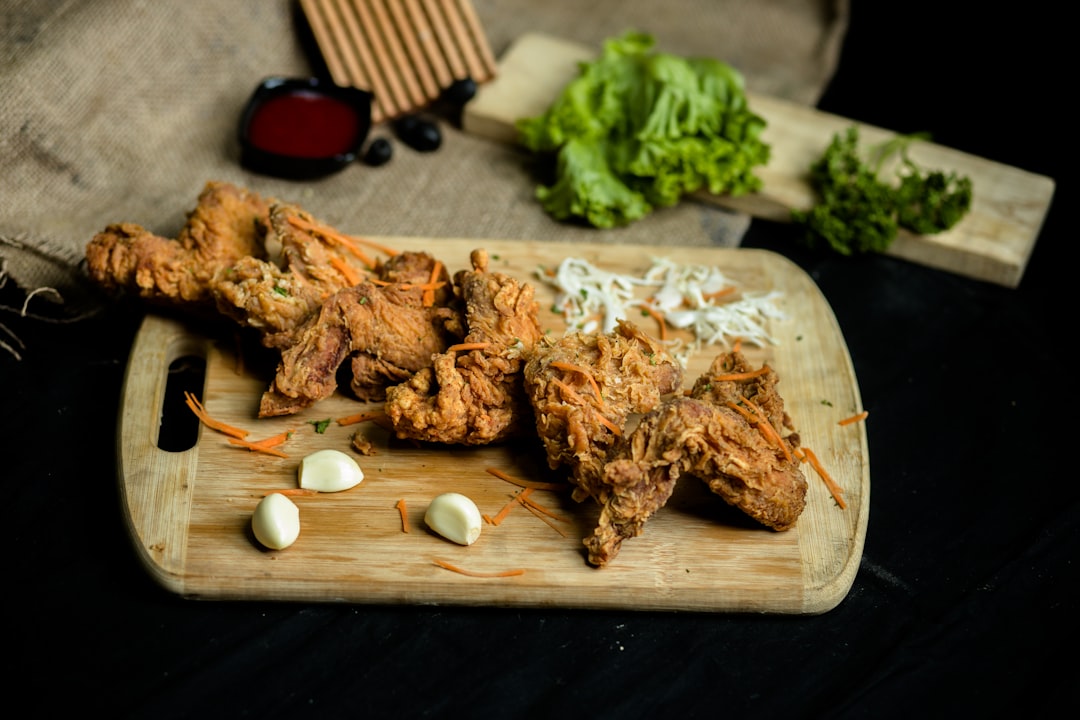
The fry station is particularly impressive to watch. Multiple baskets go in and out of the oil in carefully timed sequences. Our cooks can judge doneness by sound and color, though they always verify with thermometers. The moment chicken reaches perfect crispiness and safe internal temperature, it moves to the holding area where it rests briefly before plating.
Afternoon Reset
After the lunch rush subsides around 2:30 PM, we don't simply wait for dinner. This quieter period is used for restocking, deep cleaning, and preparation refinement. Stations are broken down and thoroughly cleaned. Oil quality is tested and filtered or changed as needed. Fresh supplies are brought from storage to replenish what was used during lunch.
This is also when we prepare items that require longer cooking times or special attention. Our sides like mac and cheese are made fresh in smaller batches throughout the day rather than one large batch in the morning. This ensures optimal texture and flavor. Sauces are checked and refreshed. Anything that doesn't meet our freshness standards is discarded, not served.
Dinner Service Excellence
Dinner service typically begins picking up around 5:00 PM and can continue strong until 9:00 PM. The energy in the kitchen during this time is electric. More complex orders come through – family platters, customized meals with special requests, and combination orders. Our team handles this complexity with remarkable grace.
What customers don't see is the precise timing required to ensure all components of an order finish simultaneously. If someone orders a burger, fries, and a side of coleslaw, those items have different preparation times. The expeditor coordinates so everything reaches the pass at the same moment, ensuring the entire meal is hot and fresh when it reaches your table.
Chef Maria remains present throughout service, moving between stations to offer guidance, spot-check quality, and step in wherever needed. Her presence sets the tone – focused, professional, but calm under pressure. This leadership style has cultivated a kitchen culture where excellence is expected but stress is managed constructively.
Safety and Sanitation
Food safety is never compromised at Chicken Road. Hand-washing stations are strategically placed throughout the kitchen, and team members wash hands frequently between tasks. Color-coded cutting boards prevent cross-contamination – red for raw meat, green for vegetables, and white for prepared foods. These protocols are followed religiously.
Temperature monitoring happens constantly. Raw chicken is kept below 40°F until cooking. Cooked chicken must reach 165°F internally. Hot holding areas maintain temperatures above 140°F. These aren't just guidelines – they're requirements we take seriously because your health depends on our vigilance.
Regular deep cleaning happens beyond the basic cleaning between services. Once monthly, we bring in professional cleaning services to detail areas that don't get daily attention. Exhaust hoods, behind equipment, and hard-to-reach areas receive thorough cleaning. This prevents buildup and maintains a truly clean kitchen environment.
Team Coordination
One of the most impressive aspects of our kitchen operation is how well the team works together. Everyone knows their role, but they also understand how their work connects to others. The fry cook knows the sandwich assembler is waiting for chicken. The grill operator knows the expeditor needs that grilled breast for a salad order. This interconnected awareness creates efficiency.
We conduct brief pre-service meetings before both lunch and dinner. These five-minute huddles review any special preparations for the day, discuss any menu items we're running low on, and remind everyone of daily specials. It's an opportunity to align everyone's focus and address any concerns before service begins.
New team members undergo extensive training before working independently during service. They spend weeks in each station, learning not just the technical skills but the timing and communication required. This investment in training pays dividends in consistent quality and smooth operations.
Managing Waste
Sustainability matters to us, and that includes minimizing waste. We track waste carefully, analyzing what gets thrown away and why. This data helps us improve ordering to reduce spoilage and adjust prep quantities to match actual demand patterns. Vegetable scraps are composted when possible, and we partner with local organizations to donate suitable unused food.
Proper portion control also reduces waste while controlling costs and ensuring consistency. Each menu item has specified portions that our team follows precisely. This means customers get the same generous serving every visit, and we reduce the excess that might otherwise be discarded.
Closing Procedures
After the last order goes out around 9:30 PM, closing procedures begin. This is not a rushed process. Equipment is cleaned thoroughly, not just wiped down. Floors are swept and mopped. All food items are properly stored, dated, and rotated so older items get used first. The kitchen is left in pristine condition, ready for the next morning's prep team.
A closing manager walks through the entire kitchen with a checklist, verifying that every task has been completed correctly. Gas lines are checked, equipment is turned off, and the kitchen is secured. This attention to detail in closing procedures means we start each day with a clean slate and properly maintained equipment.
Continuous Improvement
We regularly review our processes looking for improvements. Monthly kitchen meetings bring together all team members to discuss what's working well and what could be better. Ideas come from every level – a line cook might suggest a more efficient way to organize a station, or a prep cook might identify a better tool for a specific task.
We also stay current with industry best practices and food safety regulations. Team members attend training sessions and workshops. We invest in quality equipment that makes jobs easier and results more consistent. This commitment to improvement ensures Chicken Road continues to evolve while maintaining the quality that made us successful.
The Heart of Chicken Road
Walking through these behind-the-scenes details, what emerges is the dedication of our kitchen team. These aren't just cooks following recipes – they're skilled professionals who take pride in their craft. They understand that each plate represents Chicken Road's reputation and a customer's experience. This sense of responsibility and pride is what truly makes our kitchen special.
Next time you visit Chicken Road, remember the early morning prep, the precise coordination during service, the constant quality checks, and the thorough cleaning that happens after closing. A lot of work goes into creating the delicious, consistent meals we're known for. We're grateful for the opportunity to serve you and hope this glimpse behind the scenes gives you new appreciation for your meal.